Champagne Etiquette: Enjoying the Bubbly with Style
Reading time: 10 minutes
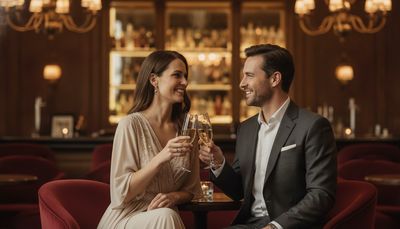
Picture this: you're sitting in an exclusive restaurant with your discreet companion, the sommelier brings the champagne list, and suddenly you wonder whether you should really clink glasses or not. Champagne etiquette is far more than a collection of old-fashioned rules: it opens the door to an experience that makes your upscale occasions unforgettable. At discreet meetings, opera nights or exclusive dinners, the way you enjoy sparkling wine shapes the impression you make, and it can mean the difference between a pleasant evening and a truly extraordinary one.
Champagne is not just a drink, it's a statement. Anyone who masters the art of enjoying it with style signals worldliness, an eye for detail and genuine appreciation for the finer things in life. Exactly these qualities make you interesting and attractive at upscale occasions, whether at an opera night rendezvous or at a romantic dinner for two.
The Right Glass: Why the Shape Matters
Choosing the champagne glass is no minor detail. For a long time, the shallow champagne saucer (coupe) was considered the epitome of elegance. In fact, though, this glass is the worst choice for truly enjoying champagne. The large surface lets the carbonation escape far too quickly, and the aroma fades within minutes.
The ideal glass is the champagne flute with its slim, tall bowl. Thanks to the narrow shape, the bubbles keep rising longer, the aroma concentrates, and you can enjoy the fine nuances of the champagne over a longer period. According to a 2012 study by the University of Reims, a flute retains up to 70 percent more carbonation than a coupe.
Even better: the tulip-shaped white wine glass with a slightly curved rim. Many sommeliers swear by it because it channels the aromas to the nose perfectly. At upscale occasions, this choice shows that you know your way around wine culture. Champagne etiquette allows both options, the flute and the tulip glass, while the coupe is nowadays used only for champagne towers.
The Correct Pour
Fill the glass only two-thirds full. This leaves room for the aromas and keeps champagne from spilling when you clink glasses. A glass filled to the brim looks greedy and unrefined, an absolute no-go at stylish encounters.
Serving Champagne: Temperature and Technique
The perfect drinking temperature for champagne is between 46 and 50 degrees Fahrenheit (8 to 10 degrees Celsius). At this temperature the aromas unfold at their best without the cold masking them. Champagne that's too cold (below 43 degrees Fahrenheit / 6 degrees Celsius) tastes flat and one-dimensional, while champagne that's too warm (above 54 degrees Fahrenheit / 12 degrees Celsius) tastes boozy and loses its freshness.
If you want to serve champagne yourself, follow these steps: chill the bottle for at least three hours in the refrigerator, or for 20 to 30 minutes in an ice bucket filled with water and ice. Ice alone chills less efficiently than a mixture of ice and water, as the Comité Champagne officially recommends.
When opening the bottle, the rule is: no loud pop! The sound of an exploding cork may look spectacular in movies, but at upscale occasions it signals a lack of control. Hold the bottle at a 45-degree angle, loosen the wire cage (muselet), grip the cork firmly with a cloth and turn the bottle, not the cork. The cork should escape with a quiet sigh.
Pouring Correctly Without Spilling
Pour champagne in two steps: first fill just a third of the glass, wait briefly until the foam settles, then top it up. This technique prevents overflowing and shows that you've mastered champagne etiquette. Hold the bottle by the base, not the neck; it gives you more control and looks more professional.
The Art of Savoring: How to Drink Champagne Properly
Champagne isn't simply gulped down. Hold the glass by the stem, never by the bowl, because the warmth of your hand would heat the champagne too quickly. Bring the glass to your nose and consciously take in the aromas before you take the first sip. This moment of appreciation is part of genuine champagne etiquette.
Drink in small sips and let the champagne rest briefly in your mouth before you swallow. This lets the different flavor nuances unfold, from fruity notes to mineral freshness to buttery or nutty undertones, depending on the type of champagne.
A common mistake: champagne is not meant to be downed in one go. At an exclusive wine tasting to get to know someone or an upscale dinner, savoring it slowly shows your appreciation for the moment and for your companion.
Clinking Glasses: Myths and Truth
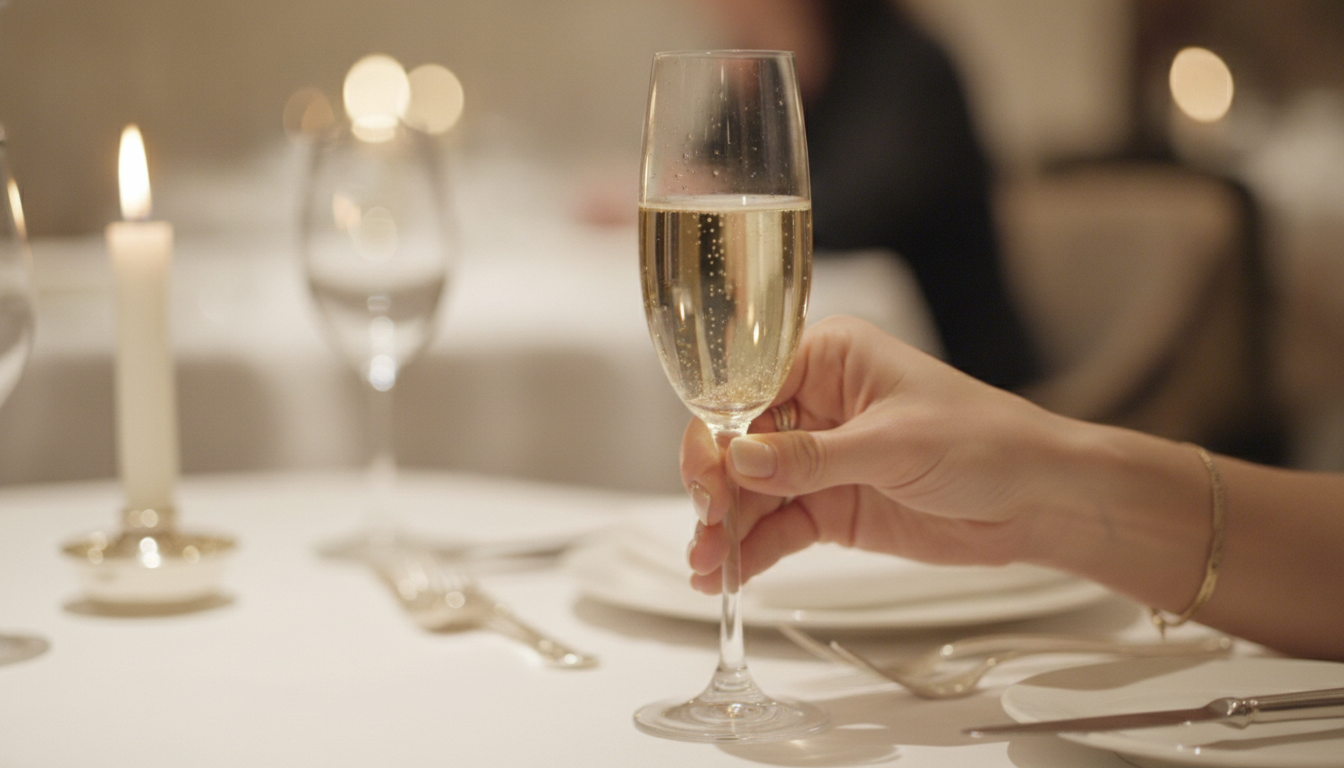
The question of whether you may clink glasses with champagne causes confusion. Strict etiquette says that at truly formal occasions, champagne glasses are not clinked. Instead, you raise your glass slightly, look the other person in the eye and nod. This gesture dates from a time when fragile crystal glasses were damaged by hard clinking.
At less formal upscale occasions, such as a romantic dinner or a private celebration, a gentle clink is perfectly fine. What matters: touch only the bowls, not the rim, and with minimal pressure. A subtle "clink" is entirely enough.
According to a 2019 survey by the French Institut National de l'Origine et de la Qualité, 68 percent of sommeliers prefer raising the glass without clinking at exclusive events. If you're unsure, follow the lead of your host or companion.
Champagne Etiquette in Different Situations
The way you enjoy sparkling wine varies with the occasion. At a business dinner or official reception, stricter rules apply than on a private date. Here are some specific scenarios:
- Business occasions: Wait until all guests have their glass before you drink. Drink moderately, no more than two glasses spread over the evening. Your judgment should stay clear at all times.
- Romantic meetings: At a discreet rendezvous in a luxury hotel with privacy, things can be a bit more relaxed. Champagne creates a festive atmosphere without seeming pushy.
- Opera or theater visits: At intermission, champagne is often enjoyed standing up. Hold your glass in your left hand to keep your right free for greetings. Drink slowly; you don't have to empty the glass before the next act.
- Private celebrations: As a guest, you wait until the host gives a toast. As a host, keep your toast short and warm; long speeches don't suit the lightness of champagne.
Common Mistakes and How to Avoid Them
Even experienced connoisseurs make mistakes with champagne etiquette. The most common: drinking too fast. Champagne is not a thirst quencher. A glass should last at least 15 to 20 minutes. According to the Champagne Academy in Épernay, the ideal drinking pace is about 20 milliliters per minute, which lets the aromas unfold at their best.
Another faux pas: loud slurping or burping. The carbonation can tempt you, but at upscale occasions restraint is called for. Take small sips and breathe through your nose in between.
Some people hold the glass by the bowl to "warm" it. That's a fundamental mistake. Champagne should stay cool. Always hold the glass by the stem or the foot. This gesture also looks more elegant and shows that you've mastered champagne etiquette.
The Lip Gloss Effect
Especially important for women: matte lipstick leaves fewer marks on the glass than glossy lip gloss. If you're planning discreet meetings and care about a flawless look, choose long-lasting, transfer-resistant products. A glass rim covered in lipstick prints looks sloppy, no matter how expensive your outfit was.
Champagne and Food: The Perfect Pairing
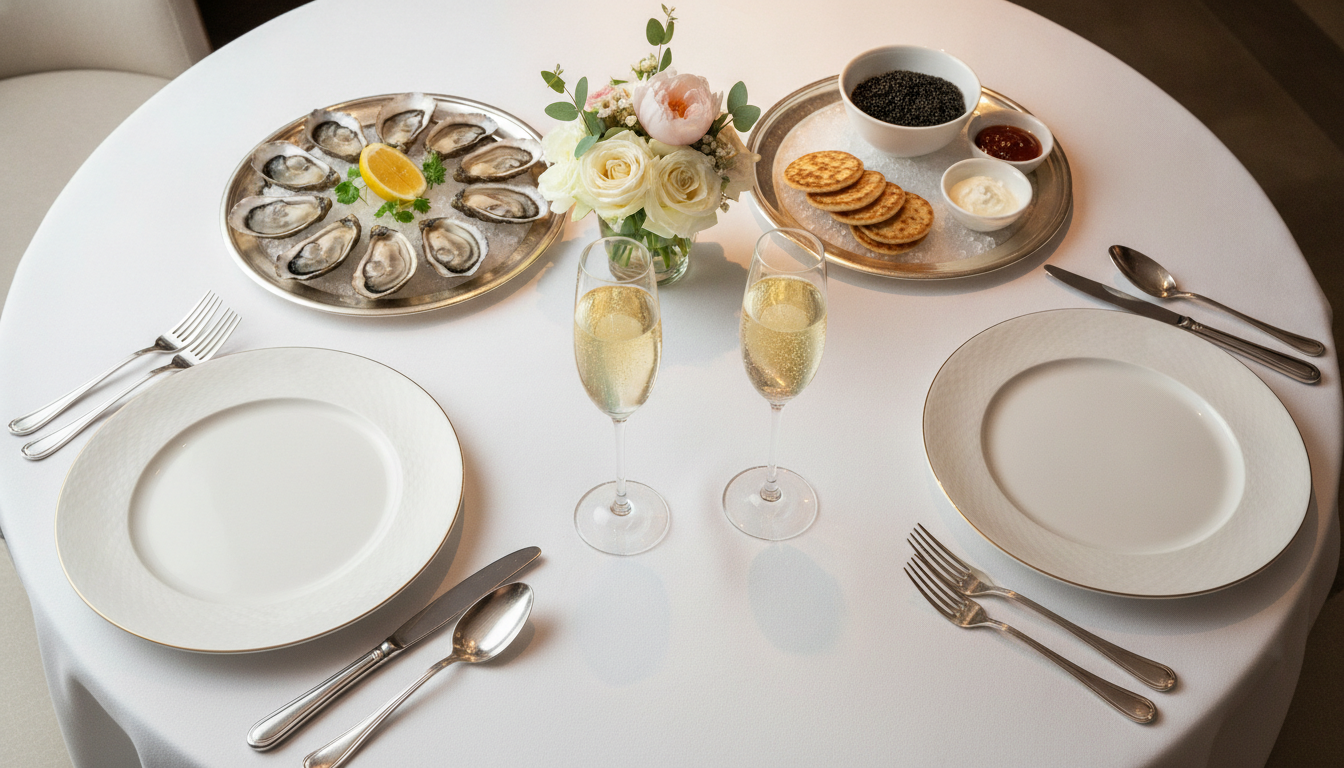
Champagne is more versatile than many people think. While brut (dry) pairs superbly with oysters, caviar or smoked salmon, demi-sec (semi-dry) goes wonderfully with desserts or blue cheese. Rosé champagne suits heartier dishes such as grilled meat or strawberries.
At upscale occasions, champagne is often served as an aperitif, but it can accompany an entire meal. The Comité Champagne recommends serving a different champagne with each course, from light blanc de blancs at the start to full-bodied vintage champagnes with the main course to rosé with dessert.
One rule of champagne etiquette: never combine champagne with heavily spiced or hot dishes. The delicacy of the champagne would be drowned out. Chocolate is also a tricky partner; here, choose a demi-sec rather than a dry brut.
Storage and Preparation: Details That Count
If you want to serve champagne yourself, champagne etiquette starts with storage. Keep bottles lying down in a dark, cool place (50 to 54 degrees Fahrenheit / 10 to 12 degrees Celsius). Light and heat are champagne's greatest enemies. A 2018 study by the University of Bordeaux showed that champagne can lose up to 40 percent of its aromatic complexity when exposed to light.
Before serving, don't shake or carry the bottle around. Let it rest for at least 24 hours before the event. Never chill it in the freezer; it speeds up the cooling, but it can affect the taste and, in the worst case, make the bottle burst.
Presentation Makes the Difference
At discreet meetings or special occasions, it's worth investing in an elegant champagne cooler. A beautiful stainless steel or silver wine cooler underscores the exclusivity of the moment. If you present champagne in a stylish setting with matching accessories, it shows attention to detail, a quality that never goes unnoticed at upscale occasions.
International Differences in Champagne Etiquette
What counts as a given in France can vary in other countries. In Germany, clinking champagne glasses is more common than in France. In the US, champagne is more often used as a cocktail base, for example in a mimosa or a Bellini, which is considered tacky at formal occasions in Europe.
In Great Britain it's considered impolite to refill your own glass before you've topped up the other guests. In Japan, champagne is often served with reverence and almost ritual care, much like a tea ceremony.
If you travel internationally or meet guests from other cultures, find out about local customs. This attentiveness will be read as worldliness, an attractive trait at upscale occasions.
FAQ: Common Questions About Champagne Etiquette
How long can an opened bottle of champagne be kept?
An opened bottle of champagne should be kept in the refrigerator for 24 hours at most, sealed with a special champagne stopper. After that, the champagne loses too much carbonation and aroma. For upscale occasions, though, you should never serve "leftover" champagne; it looks stingy and disrespectful.
Which type of champagne suits beginners?
For champagne newcomers, a non-vintage brut from established houses such as Moët & Chandon, Veuve Clicquot or Pommery is a good fit. These offer a balanced mix of freshness, fruitiness and complexity without being overwhelming. Prices usually run between $40 and $60, a reasonable investment for upscale occasions.
Can you drink champagne with ice cubes?
Absolutely not! Ice cubes in champagne are considered a serious breach of champagne etiquette. They water down the taste and show a lack of appreciation for the fine drink. If your champagne has gotten too warm, order a fresh, properly chilled glass instead of "rescuing" the one you have with ice.
How does champagne differ from prosecco or cava?
Champagne comes exclusively from the Champagne region of France and is made using the traditional method of bottle fermentation. Prosecco from Italy and cava from Spain are also sparkling wines but may not call themselves champagne. The production method, grape varieties and flavor profiles differ considerably. At truly upscale occasions, you should know these differences and prefer real champagne.
How much champagne should I plan per person?
For a reception, count on about two to three glasses per person, which equals half a bottle (375 milliliters). For a multi-course dinner where champagne is served throughout, you should calculate with a whole bottle (750 milliliters) per person. It's better to buy a bit more; nothing is more embarrassing than the champagne running out in the middle of the event.
Conclusion: Champagne Etiquette as the Key to Unforgettable Moments
Champagne etiquette is far more than a collection of rules. It's an expression of appreciation, style and attention to life's finer details. Anyone who enjoys champagne with real expertise signals, at upscale occasions, not only education but also the ability to shape and appreciate moments consciously.
From choosing the right glass to the perfect serving temperature to savoring it with style, every detail contributes to an overall picture that leaves a lasting impression on the person across from you. At discreet meetings in particular, where elegance and discretion go hand in hand, mastering champagne etiquette makes the decisive difference.
Start deepening your champagne knowledge today. Try different types, experiment with glass shapes, and practice the perfect pour. The investment in this knowledge pays off at every upscale occasion, whether at your next exclusive dinner, an exhibition opening or a romantic rendezvous. Enjoying sparkling wine with real style opens the door to a world full of sparkling moments and unforgettable encounters.